Storm Shelter Installation in Indianapolis and Central Indiana
Indiana sits on the eastern edge of tornado country, and a shelter is only worth having if the work that put it in the ground was done right.
A storm shelter is a hardened space your household can reach in seconds and that stays exactly where it was put when the weather does not. Installing one is excavation work: an open trench cut to depth in ground that will hold, the unit set level and square, then backfill placed and compacted around it so nothing shifts.
Boone, Hamilton, Hendricks and Marion counties all sit inside the part of the country that gets tornadoes. That is not a sales line, it is geography, and everybody who has lived here through a spring knows it. What a shelter changes is the part of a warning that is otherwise the worst part, which is the interval between the siren and the storm, when a family is trying to decide where in the house is least bad. A shelter turns that decision into a short walk to a place that was chosen in advance.
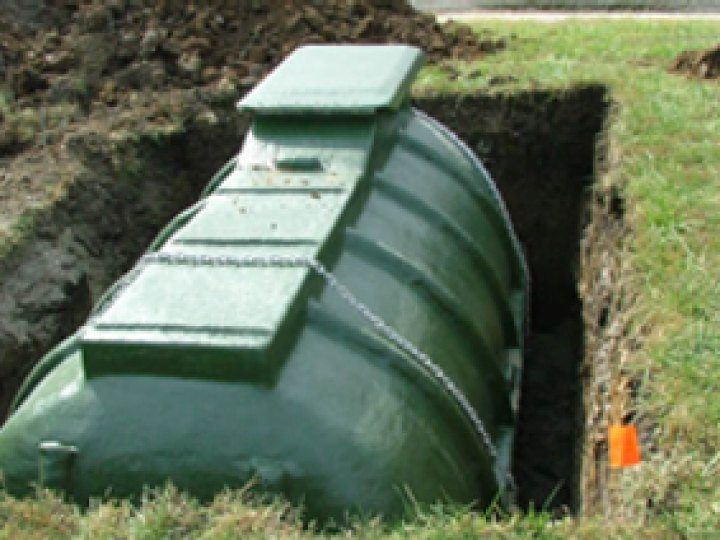
One photograph on this page shows a unit sitting in an open excavated trench before backfill, which is the moment in the job that tells you most about how it was done: the depth of the cut, the condition of the ground it is bearing on, how square and level the unit is sitting, and how much working room there is around it to compact the backfill properly.
That backfill is where a good install separates from a poor one. A shelter set in a trench that was cut too tight cannot have material properly placed and compacted around it, so the ground around it stays loose. Loose ground settles, and in clay it holds water while it does. Compacted properly, the shelter is locked into ground that behaves as one piece with it. This is ordinary excavation discipline, the same discipline that decides whether a driveway ruts or a foundation wall stays put, applied to something you are going to trust your family to.
How a shelter install runs
The office takes your details
Tell the office where the property is and roughly where on it you are thinking the shelter should go, and it gets written down before we come out.
Area, scope and access
We confirm the property is in the area we serve and start working out the practical questions, including whether equipment can physically get to the spot you have in mind.
We come look at the ground
We meet you at the property and look at the location, the soil, what is around it and how far it is from your door, since all of that decides where the shelter can actually go.
A detailed written estimate
You get the scope in writing covering the excavation, the setting of the unit, the backfill and putting the ground back.
Permits, locates and scheduling
We handle the permits, the utility locates and any required inspection, and the install goes on the schedule.
Set, backfilled and inspected
The crew excavates, sets the unit and backfills while keeping you informed, and the job closes with a final inspection and the invoice.
What this ground does to a below grade install
The soil across Central Indiana is glacial till carrying a lot of clay, and clay has two habits that matter for anything set below grade. It drains slowly, so water that reaches an excavation tends to stay in it rather than moving away, and it changes volume as it wets and dries, which means the ground around a buried structure is never entirely still. Neither of those is a reason not to put a shelter in the ground. They are the reasons the excavation has to be done deliberately rather than quickly.
Frost is the other factor. In this part of the state frost reaches down roughly thirty two inches in a hard winter, and saturated ground that freezes expands and then loses strength as it thaws. Anything sitting in ground that goes through that cycle, with loose uncompacted material around it, gets pushed and settled a little more each year. Cutting to the correct depth, reading what the excavation is bearing on, and compacting the backfill in lifts is what keeps a shelter sitting where it was set through those cycles instead of gradually moving.

Storm Shelters We Have Installed
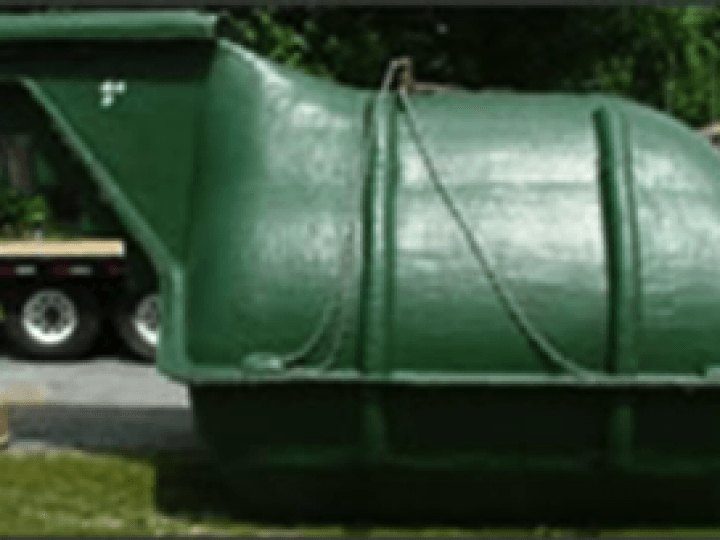
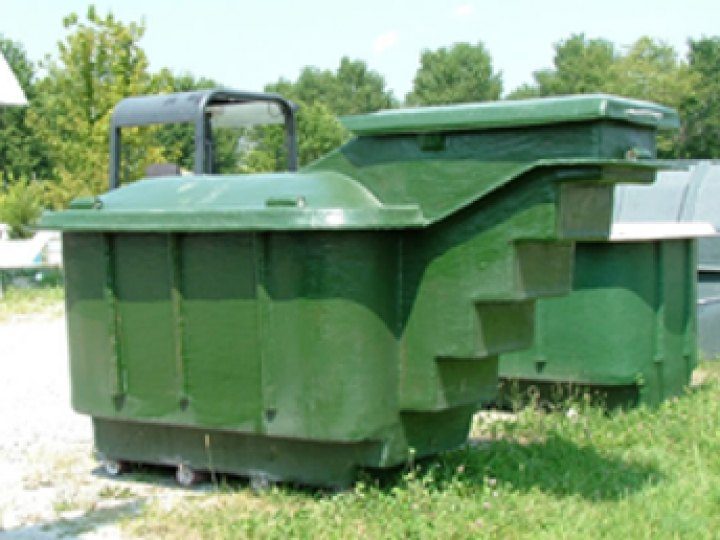
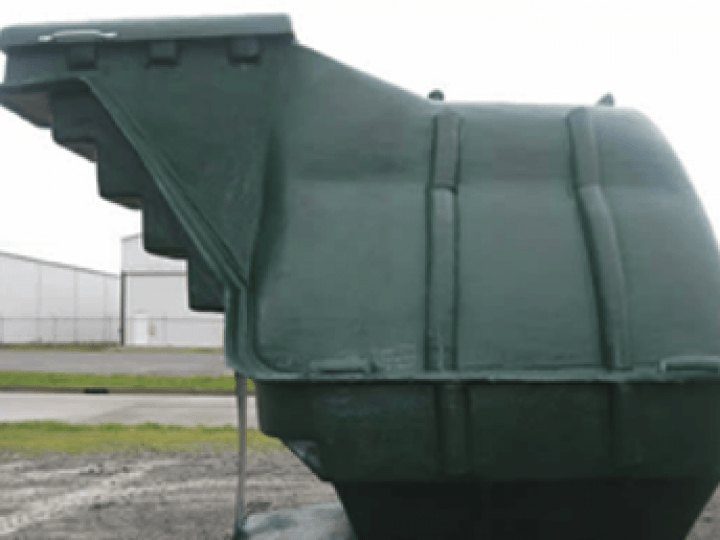
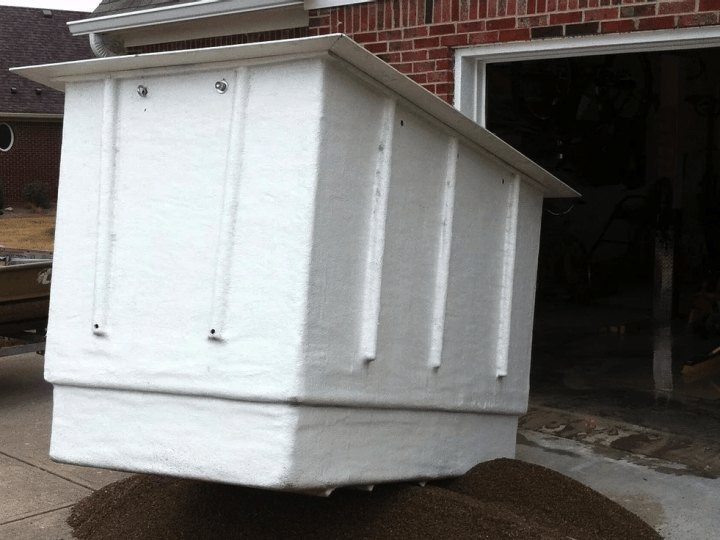
Our own photographs of our own installs, from the trailer through to a unit sitting in an open excavation before the backfill went back in.

What this page does not claim
We are an excavation contractor, licensed as a Wrecking General Contractor, and the excavation, setting and backfill are our work. We do not test or certify shelter units, and any rating, standard or approval that applies to a particular unit comes from whoever manufactured and tested it rather than from us. Where a town or county has its own permitting or inspection requirement for a shelter, we work to what they require. We will also tell you plainly when a location on your property will not work, rather than putting a shelter somewhere it should not go.
Storm Shelter Questions
What does a storm shelter install cost?
It depends on the unit and on your site, so there is no honest single number to print. Access, soil conditions, depth and how the ground has to be restored all change the work involved. Current pricing is available by asking: call the office at (317) 892-0074 or email [email protected], and it goes in the detailed written estimate after we have looked at the location.
Where on a property should a shelter go?
Close enough to your door that you can reach it fast in the dark and in a heavy rain, on ground that will support it, clear of buried utilities, and somewhere equipment can actually reach to dig. Those four things rarely all point at the same spot on the first walk, which is why the location gets settled standing on the property rather than over the phone.
Does the clay ground here work for a shelter set below grade?
Yes, when the excavation accounts for it. Clay holds water and moves as it wets, dries and freezes, and frost in this part of Indiana runs to roughly thirty two inches. So the cut is made to a depth and a width that let the unit bear on sound ground and let backfill be compacted properly around it. Ground conditions are read on your site, not assumed.
Do I need a permit or an inspection?
That depends on the town or county the property sits in, and requirements are not the same across the area we cover. Finding out and handling it is part of our job rather than yours. We handle permits, utility locates and inspections, including the call to 811 that Indiana requires before any digging anywhere in the state, with two working days of notice.
Storm Shelter Work, in Their Words
Left on our Google profile by the people we did the work for.
“They just completed a storm shelter installation in our garage. The office staff was very responsive. The owner was really accommodating so my husband could see the actual unit before it was installed. They arrived on time with a large crew that worked the entire time they were here. They cleaned up any mess as they were working and put everything back in the garage how it was before. The most polite construction crew we have ever worked with. Would highly recommend.”
“Great job by Wharff Excavating installing our Saferoom/Storm Shelter today! They did our other one 15 yrs ago. Guys are very professional and courteous!! So happy they could help us out again!😀”
Request a Storm Shelter Estimate
Tell us where it is and what it is doing. If you have photographs of the problem, send those too.
We look at it on site before we quote it, and the estimate comes to you in writing.