Demolition in Indianapolis and Central Indiana
We are licensed as a Wrecking General Contractor, and taking a structure down safely is mostly about everything that happens before it comes down.
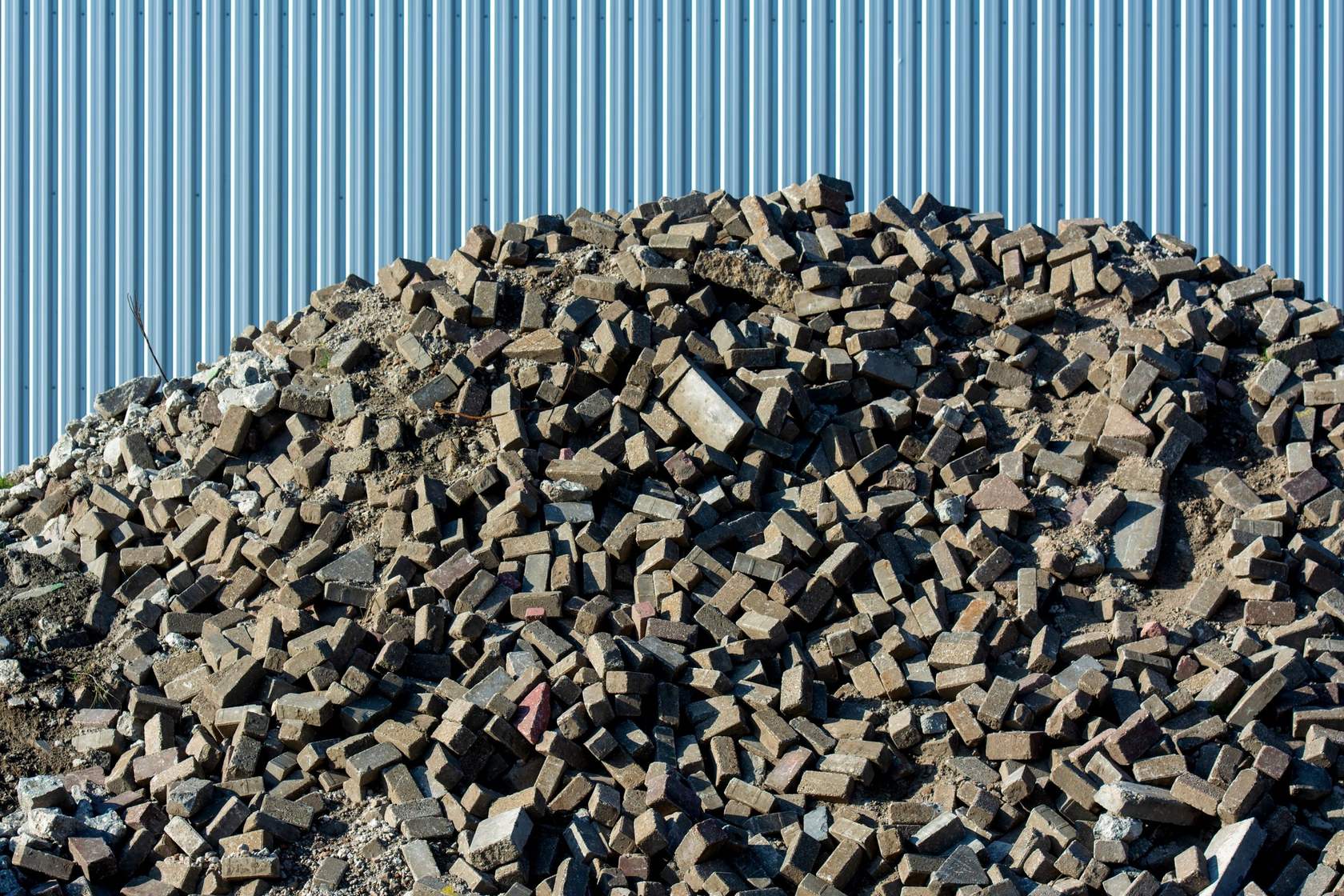
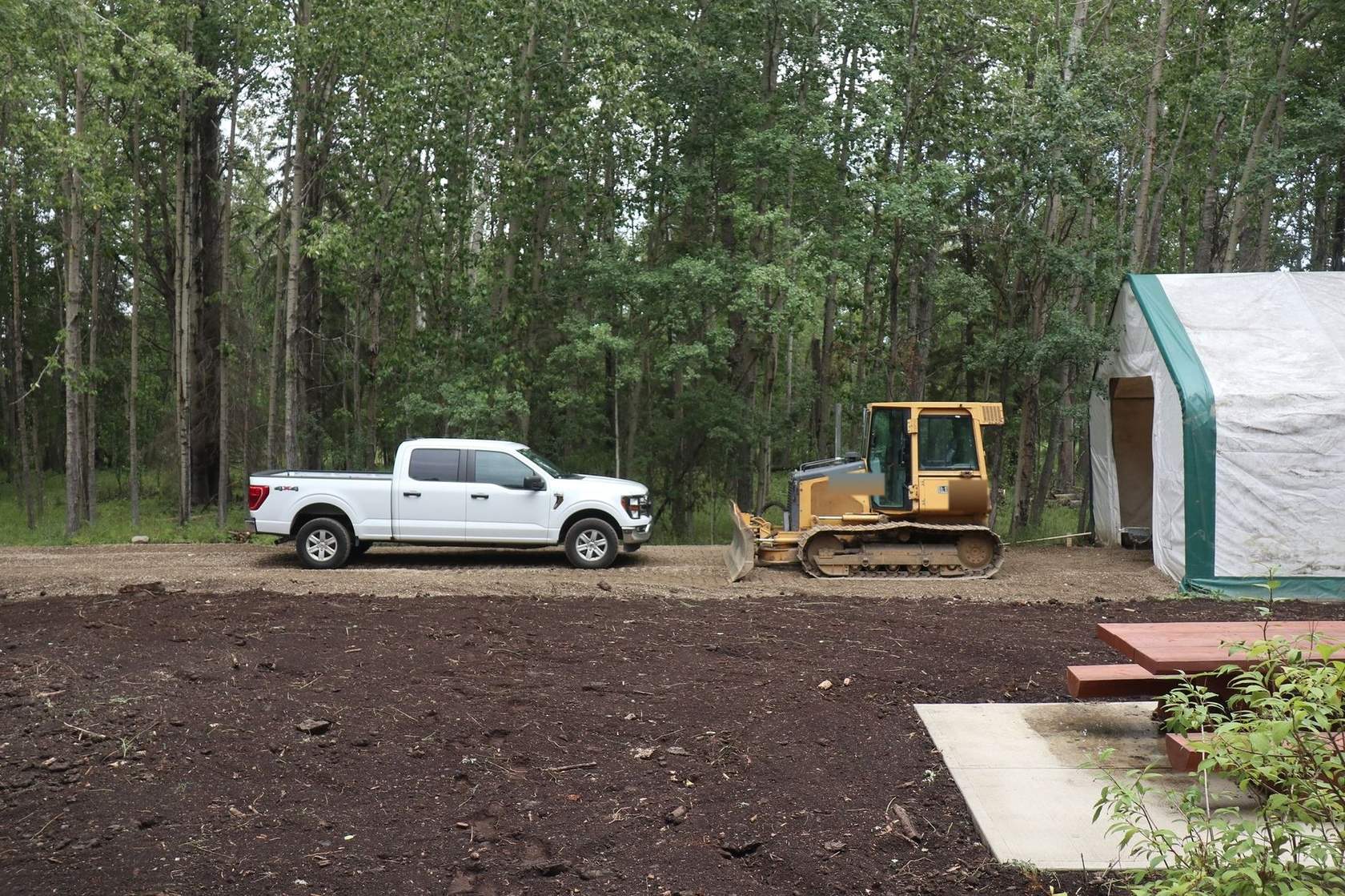
Demolition means taking a structure down, removing the debris and leaving the ground in a condition you can build on or mow. Wharff Excavating is licensed as a Wrecking General Contractor and does this work for homeowners, builders, businesses and municipalities across Central Indiana.
The license matters because demolition is not simply excavation pointed at a building. It is a controlled sequence with utilities, structure, debris and ground all in it, and doing it in the wrong order is how people get hurt and how a job turns into somebody else's problem. Before anything is touched, the services feeding the structure have to be dealt with, what is in the building has to be known, and the route for equipment and debris has to be worked out.
The structures vary. A house that has reached the end. A garage or an outbuilding that has to make room for something new. A barn. A foundation and a slab left behind from a building that is already gone. Concrete and hardscape that has to come out before new work starts. Partial demolition where a builder needs part of a structure removed and the rest left standing and sound, which is the most exacting version of this work because the thing you are protecting is right beside the thing you are removing.
What is left when we leave is part of the job, not an afterthought. The hole gets backfilled, the ground gets brought back to a grade that drains rather than collects, and the site is left in the condition the written estimate said it would be. For a builder that means a pad ready for the next stage. For a homeowner that usually means open ground they can mow.
How a demolition job runs
The office takes the details
What the structure is, what it is attached to, what is still connected to it, and what you want the site to be afterward.
Scope and service area
We confirm the property is in our area and establish whether this is a full removal, a partial removal or foundation and concrete work.
We come look at the structure
Nothing is quoted from a description alone. On site we read access, what is around it, the services and what the ground is like.
Written estimate
You get the scope in writing: what comes down, what stays, where the debris goes and how the ground gets left.
Utilities, permits and locates
The office arranges permits and inspections, the Indiana 811 locate before digging, and the disconnections that have to happen first.
Take down, haul off, backfill and grade
The crew works through it and keeps you informed, then the job gets its final inspection and the invoice.
What has to happen before anything comes down
Every structure is connected to something. Water, sewer, electric and gas all have to be dealt with in the right way by the right party before a machine touches a wall, and a service that everyone assumed was dead is exactly the kind of assumption that ends a job badly. The Indiana 811 locate, required statewide with two working days of notice, covers what is buried around the structure. The connections at the building itself are worked out separately with the utilities that own them.
Then there is the question of what the building is made of and what is next to it. An older structure can hold materials that are regulated and have to be removed by a specialist before demolition. A building sharing a wall, a fence line or a property boundary changes how it can be brought down. Access sets what equipment can reach the site at all. None of that is visible in a photograph, which is why looking at the structure in person comes before a number rather than after it.

What this does not cover
We are not an abatement contractor. Asbestos and other regulated materials found in a structure are removed by a licensed abatement contractor before demolition begins, and that work is arranged separately rather than folded into ours. Interior remodeling demolition inside a building that is staying, down to the finishes, is generally a remodeling contractor's lane. If what you are describing turns out to belong to one of those trades, we will say so plainly rather than take the job and figure it out later.
Demolition Questions
Do you take out the foundation and the slab too?
Yes, and it is worth deciding that before the estimate rather than after. Leaving a foundation in the ground limits what can be built there later and can trap water where you do not want it. Removing it means a larger hole and more backfill. Which one is right depends on what the site is going to be used for, and the written estimate says clearly which of the two you are buying.
What happens to the hole when the building is gone?
It gets backfilled and the ground gets brought to a grade that sheds water instead of collecting it. Ground that is left low over a filled foundation becomes a pond the first wet spring. How the site is finished is written into the estimate, so the condition you get is the condition you agreed to.
Do the utilities have to be shut off first?
Yes, and that is not a formality. Water, sewer, electric and gas each have to be handled properly before anything is taken down. The office works those disconnections out with the utilities that own them as part of getting the job ready, alongside the permits and the 811 locate that Indiana requires before digging.
Can you remove part of a building and leave the rest standing?
Yes. Partial demolition is regular work for builders and businesses, and it is the version that demands the most care, because what stays has to remain sound and weather tight while what goes is coming out beside it. It gets scoped in person, always, since the line between the two parts is the entire job.
Request a Demolition Estimate
Tell us where it is and what it is doing. If you have photographs of the problem, send those too.
We look at it on site before we quote it, and the estimate comes to you in writing.